


Financing AI Data Centres: Where Real Estate Meets Corporate Finance
AI data centres sit at the intersection of real estate, infrastructure and corporate finance. Although the financing is secured partly against land, buildings and installed equipment, debt repayment ultimately depends on the operating company’s ability to generate reliable cash flow.
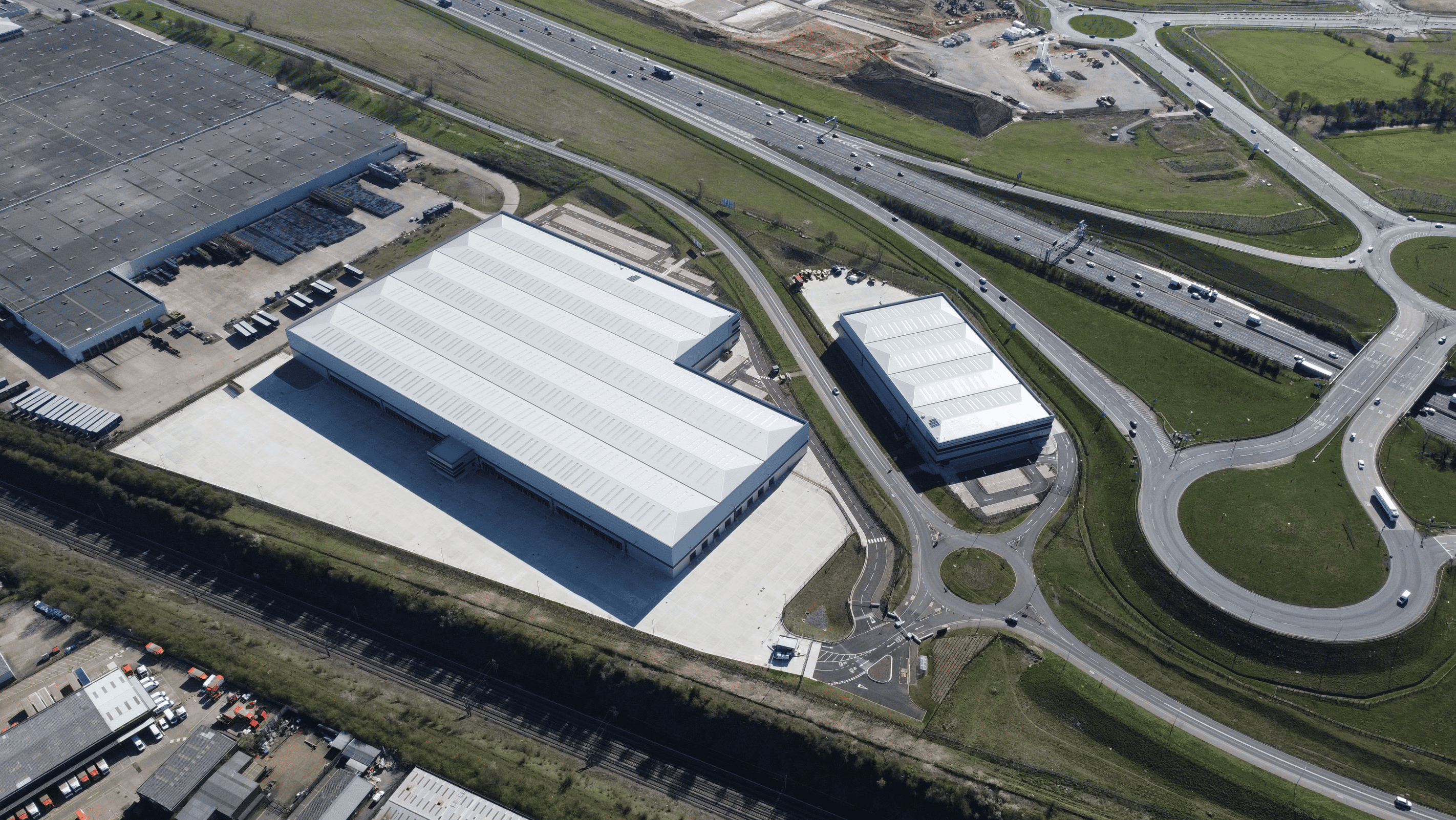
This makes AI data centre finance fundamentally different from a conventional commercial mortgage. Lenders must carefully assess the physical asset and operating business together, including power availability, customer contracts, management capability and the capital required to reach stable operation.
Why Property Value Is Only Part of the Credit Case
A well-located data centre may contain valuable land, buildings, power infrastructure, cooling systems and specialist equipment. These assets can provide meaningful security, but their value can not be considered in isolation.
For this reason, lenders will examine both the value of the secured assets and the cash flow generated by the operating company. The financing case must connect the property, infrastructure and commercial model rather than presenting them as separate propositions.
Power Is a Core Financing Consideration
Power availability is one of the first issues a lender will assess. It is not enough for a site to have theoretical access to the grid. The borrower must demonstrate the amount of power contracted, expected delivery dates, connection costs and ability to expand capacity.
Lenders may review:
- Grid connection agreements
- Current and future power capacity
- Connection and infrastructure costs
- Energy pricing and procurement strategy
- Backup generation and resilience
- Cooling requirements and efficiency
- Planning and environmental considerations
- Delivery risk associated with upgrades
A delay in energisation can postpone customer onboarding and revenue generation while interest and development costs continue to accrue. The funding programme must therefore reflect realistic power and construction milestones.
Assessing the Data Centre Operating Company
The operating company is central to the credit assessment. Lenders will consider its management team, technical experience, balance sheet, existing operations and ability to deliver the proposed business plan.
Revenue quality is particularly important. A lender will want to understand whether income is contracted, recurring or dependent on future customer demand. Customer concentration, contract length, termination rights, pricing and counterparty strength can all affect debt capacity.
Forecasts should explain how installed capacity converts into occupied and revenue-producing capacity. They should also account for energy costs, staffing, maintenance, equipment replacement and the time required to reach stabilised utilisation.
How Can AI Data Centre Finance Be Structured?
The appropriate structure will depend on whether the project is acquiring an operating facility, constructing a new data centre, expanding capacity or refinancing a stabilised business.
Potential sources of capital include:
- Senior secured property or infrastructure debt
- Development or construction finance
- Corporate cash-flow lending
- Equipment and asset finance
- Preferred equity or mezzanine capital
- Joint venture or institutional equity
The lender may take security over the property, shares in the operating company, bank accounts, material contracts, equipment and insurance policies. Financial covenants may be based on loan-to-value, debt-service coverage, leverage or a combination of property and corporate measures.
Matching Capital to the Development Programme
AI data centre projects are often delivered in phases. Capital should be drawn in line with land acquisition, grid works, construction, equipment installation, energisation and customer occupation.
This phased approach can reduce unnecessary interest costs and ensure further capital is released only when agreed milestones are achieved. However, the facility must contain sufficient flexibility to accommodate changes in delivery dates, customer demand and capacity requirements.
Sponsors should also consider the funding gap between completing the physical infrastructure and achieving stable cashflow. Interest may need to be retained during construction and early operation, with servicing beginning as contracted revenue comes online.
Presenting One Coherent Financing Case
A common mistake is to present the property transaction, technical project and operating business separately. For lenders, each component affects the others.
A strong financing proposal should clearly explain site ownership, planning, power, construction costs, equipment, customers, revenues, operating expenditure and management experience. It should also show downside scenarios for delays, lower utilisation and higher energy costs.
Roscap’s approach to AI data centre finance reflects this combined analysis. The aim is to identify capital providers capable of understanding both asset-backed security and corporate cash flow rather than forcing the opportunity into a conventional property-finance model.
Successful data centre financing depends on more than the value of the building. The strongest transactions demonstrate that the site can be delivered, the power is available, customers will generate durable revenue and the operating company can service the debt throughout the facility term.